How to Start a Legacy Society: Step-by-Step Nonprofit Guide
Key Takeaways
- Recognition Over Revenue: A legacy society is a recognition structure, not a fundraising campaign. The gift already exists, and the society adds belonging.
- Simplicity Wins: Simple naming and one or two membership levels consistently outperform complex, tiered structures.
- Ongoing Promotion: Promotion works best as an ongoing, low-pressure invitation woven into existing touchpoints, not a single campaign.
- Data Visibility: A working legacy society requires a reliable way to track who has joined, not just a name and a webpage.
What a Legacy Society Actually Is
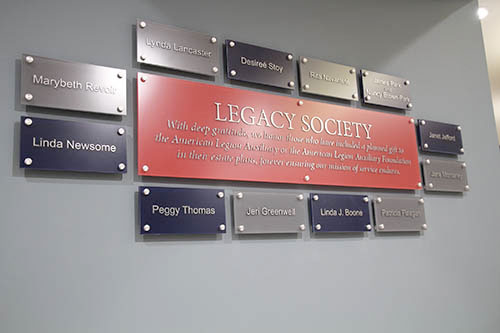
A legacy society is a way of recognizing supporters who have told your organization they have included you in their will or estate plan.
It is also important to be clear about what it is not. It is not a new fundraising vehicle, and it does not ask donors for anything they have not already decided to give.
The bequest itself already exists in the donor's plans. A legacy society simply adds recognition, community, and a reason for your organization to say thank you long before the gift arrives.
Why It Matters for Donor Retention
Donors who have included an organization in their estate plans have made one of the deepest commitments a supporter can make. Yet, without a formal way to acknowledge their planned giving, many organizations never even find out until years later. An astounding 64% of legacy pledgers never actively notify the charity that they have included them in their will.
A legacy society solves two problems at once. It gives donors a reason to disclose their intention so your organization can steward the relationship, and it creates a sense of belonging that reinforces the decision rather than leaving it to sit quietly and undocumented for decades.
Furthermore, this stewardship pays immediate dividends. Tracking data reveals that after a donor formally adds a charity to their estate plan, their annual current giving to that same organization increases by an average of 75% to 77%.
Naming Your Legacy Society Well (*Creatively)
The strongest legacy society names reference something specific to your organization. You might draw inspiration from its history, a founder's name, or a value core to its mission rather than relying on a generic phrase like "Heritage Circle" or "Legacy Circle" that could belong to any nonprofit.
Here are a few ideas:
- The Tomorrow Circle
- Founders of Tomorrow
- The Horizon Society
- Everlasting Impact
- Bright Future Guild
- The Continuity Circle
- Torchbearers Alliance
A useful test is to say the name out loud in a sentence as if introducing it to a donor in conversation. If it sounds like something a bank or insurance company would use, you might want to reconsider it.
Setting Planned Giving Recognition Levels
Most organizations only need a single membership tier. Adding multiple levels based on gift size risks turning what should be a warm recognition structure into a donor-ranking system. This works against the personal, non-transactional tone that makes planned giving different from a typical campaign.
If a second tier is genuinely useful, base it on something other than the dollar amount, such as years of involvement with the organization.
Deciding What Society Members Actually Receive
Promoting Legacy Opportunities Without a Hard Sell
Legacy society invitations perform best when woven into existing touchpoints rather than run as a single dedicated campaign. Try adding a line in a regular newsletter, a mention at an event, a moment inside a donor portal, or a note included with an annual report.
The goal is for a donor to feel invited when they are already thinking about their own legacy, not pursued at a moment that does not fit their timeline.
Where to Feature Planned Giving on Your Website
A legacy society deserves a dedicated, findable page, not just a paragraph buried on a general "Ways to Give" page. At minimum, that page should explain what the society is, how to join (which is often as simple as informing the organization of an existing bequest intention, not a new commitment), and a list of current members who have opted to be publicly recognized.
A custom branded, plain-language microsite built specifically for this purpose tends to outperform a generic page bolted onto an existing donation platform.
Tracking Legacy Society Membership Over Time
Sourcing Inspiration From Existing Legacy Societies
(Example #1) Smithsonian Institution: Storytelling & Mission Roots
The Smithsonian Institution leverages the power of storytelling to show the lasting impact of planned giving
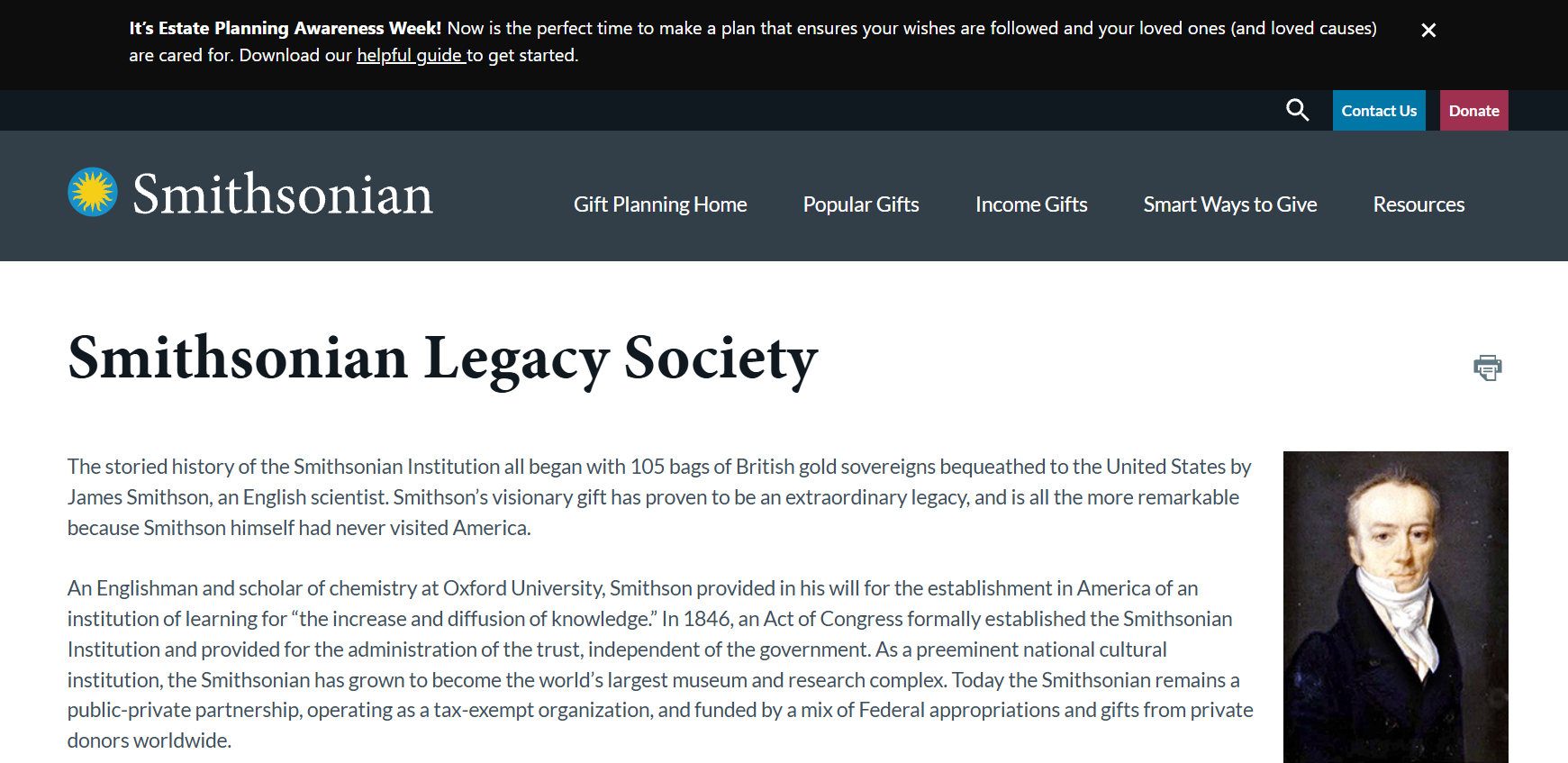
The organization also uses seasonal awareness banners, such as those for Estate Planning Awareness Week, to gauge interest and provide helpful planning guides
(Example #2) University of Denver: Specific Qualification Categories
Donors often wonder which gifts qualify them for legacy society membership. The University of Denver solves this by listing explicit commitment types right on its landing page
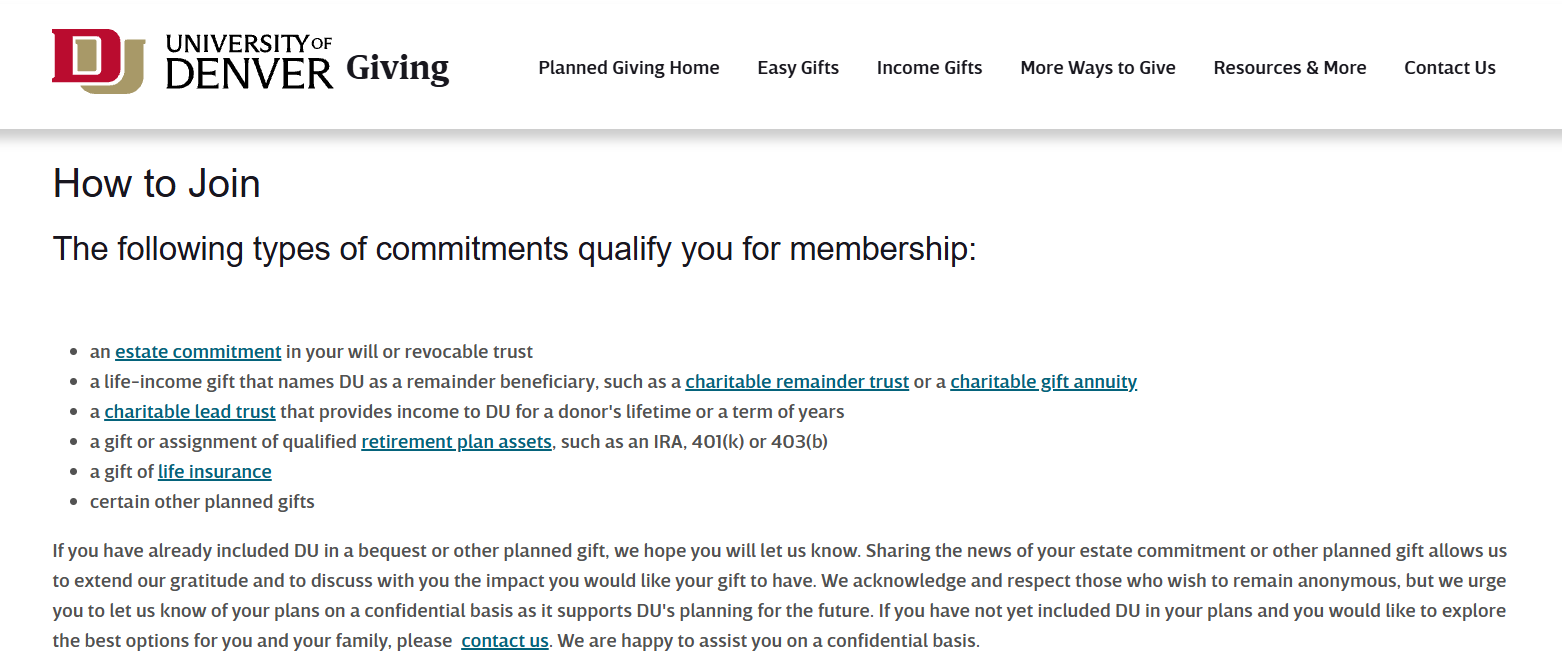
They also invite donors to share their plans on a confidential basis to help the university plan for the future, while respecting those who wish to stay anonymous
(Example #3) Tulsa Community College Foundation: Clear Benefits
Supporters want to know how their future gift will make an impact and what it means to join your program today. The Tulsa Community College Foundation uses structured, easy-to-read bullet points to outline member perks and donor rights
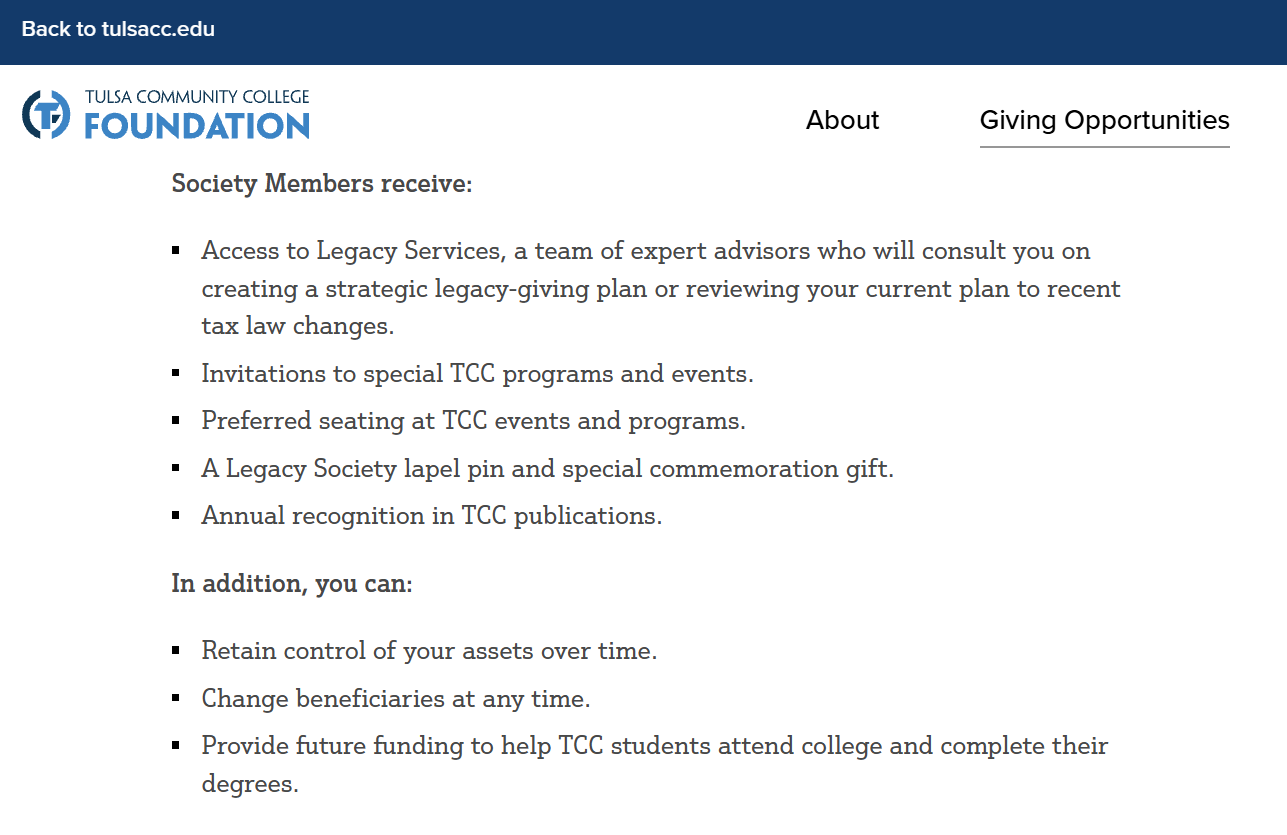
They clearly detail society benefits, including access to legacy advisors, invitations to special programs, preferred seating, lapel pins, and annual publication recognition. Plus, they explicitly remind donors that they retain full control of assets during their lifetime and can change beneficiaries whenever needed
(Example #4) American Red Cross: Simple Data Capture
Reducing friction for the donor is the single most important part of securing planned gifts. The American Red Cross accomplishes this by offering a clean, simple "Notification of Legacy Gift" web form.
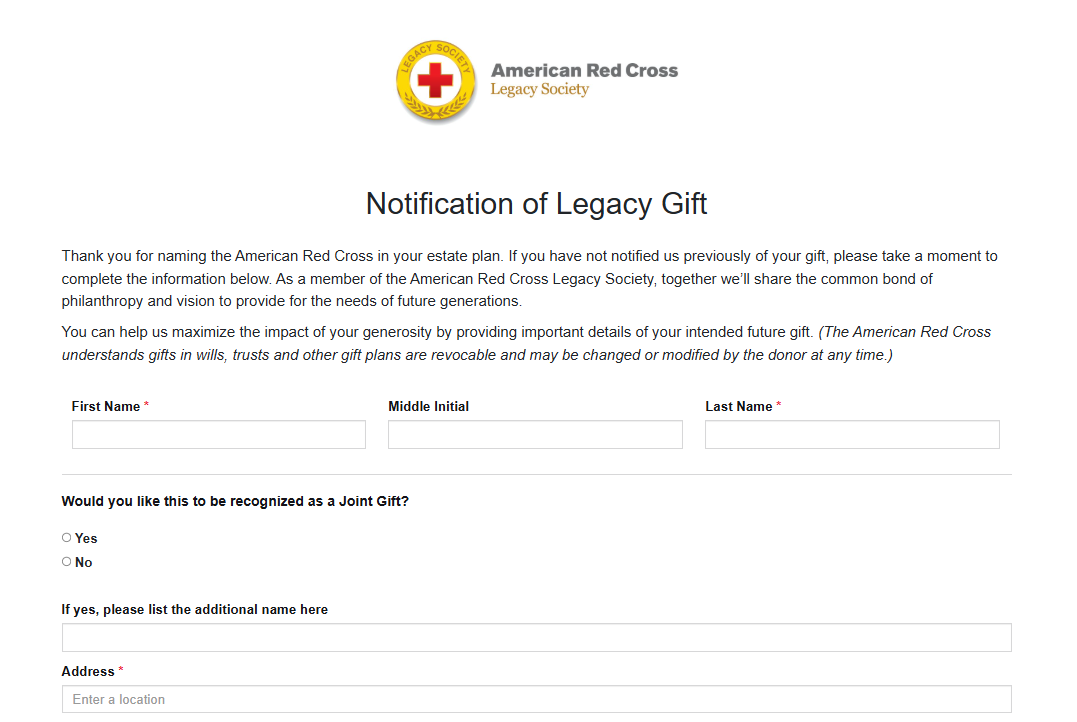
This simple reporting process also gives nonprofits full visibility into their legacy giving pipeline, which is essential for maintaining strong donor relationships.
Common Mistakes to Avoid
- Poor Tracking: Launching with no way to track membership and relying on memory or scattered notes.
- Overcomplicating Tiers: Creating complex recognition levels based on estimated gift size.
- One-Time Pushes: Treating the launch as a one-time campaign rather than an ongoing invitation.
- Generic Branding: Naming it something common and vague that does not reflect the organization's specific identity.
- Ghosting Donors: Forgetting stewardship after the initial welcome and letting the relationship go quiet.
Frequently Asked Questions
Sources
Ready to turn today's donors into tomorrow's legacy?
Make it easier, simpler, and accessible for your supporters to add your mission to their final plans.
Start for Free Book a demoGet the planned giving playbook
Monthly strategies, campaign templates, and stewardship ideas for fundraisers.
Recommended guides & articles
 For Nonprofits
How to Talk to Donors About Planned Giving: Words That Work
7 min read For Nonprofits
How to Engage Single and Childless Donors in Legacy Giving
6 min read For Nonprofits
Donor Stewardship for Legacy Gifts: A Complete Guide
5 min read For Nonprofits
How Smart Universities Are Growing Alumni Legacy Giving
6 min read