
What The Great Wealth Transfer Means for Fundraising Orgs
Key Takeaways for Nonprofit Leaders
- The Multi-Trillion Shift: The Great Wealth Transfer represents more than $59 trillion moving from older generations to heirs and charitable causes over the coming decades.
- The Data Proof: Bequest giving jumped 19.7% in 2025 to $62.19 billion
. This marks the third double-digit increase in four years and serves as the clearest evidence yet that this transfer is actively hitting sector-wide revenue .
- Impact at Every Scale: From a $3.1 billion estate or a $200 million university bequest down to an all-volunteer foundation generating 85% of its gifts from assets, this momentum is not restricted to mega-institutions.
A Marathon, Not a Sprint: The wealth transfer will unfold over decades. Nonprofits do not need short-term panic. Rather, they need sustainable software infrastructure and real-time donor visibility to secure their share.
What Is the Great Wealth Transfer?
The Great Wealth Transfer describes an unusually large, multi-decade transition of accumulated wealth from older generations to their heirs (and to the charitable causes named in their estate plans).
Over $59 trillion is projected to transfer between generations through 2052, forcing individuals to allocate their accumulated wealth among three primary destinations: their descendants, the government via taxation, and nonprofit organizations.
For years, philanthropy experts discussed this shift as a future wave. The open question was never whether it would happen, but when it would begin showing up materially in actual annual giving figures.
The Hard Evidence: It Is Already Happening
The latest economic benchmarks confirm that the shift is no longer a future projection. It is an active, measurable reality.
According to Giving USA 2026 (researched by the Indiana University Lilly Family School of Philanthropy), bequest giving surged 19.7% in current dollars (16.6% inflation-adjusted) to reach $62.19 billion. This represented the largest percentage jump among all four major sources of giving (individuals, foundations, corporations, and bequests). The Giving USA Foundation has pointed to this pattern, combined with strong asset values, as an early signal that the wealth transfer many have anticipated is now materially underway.
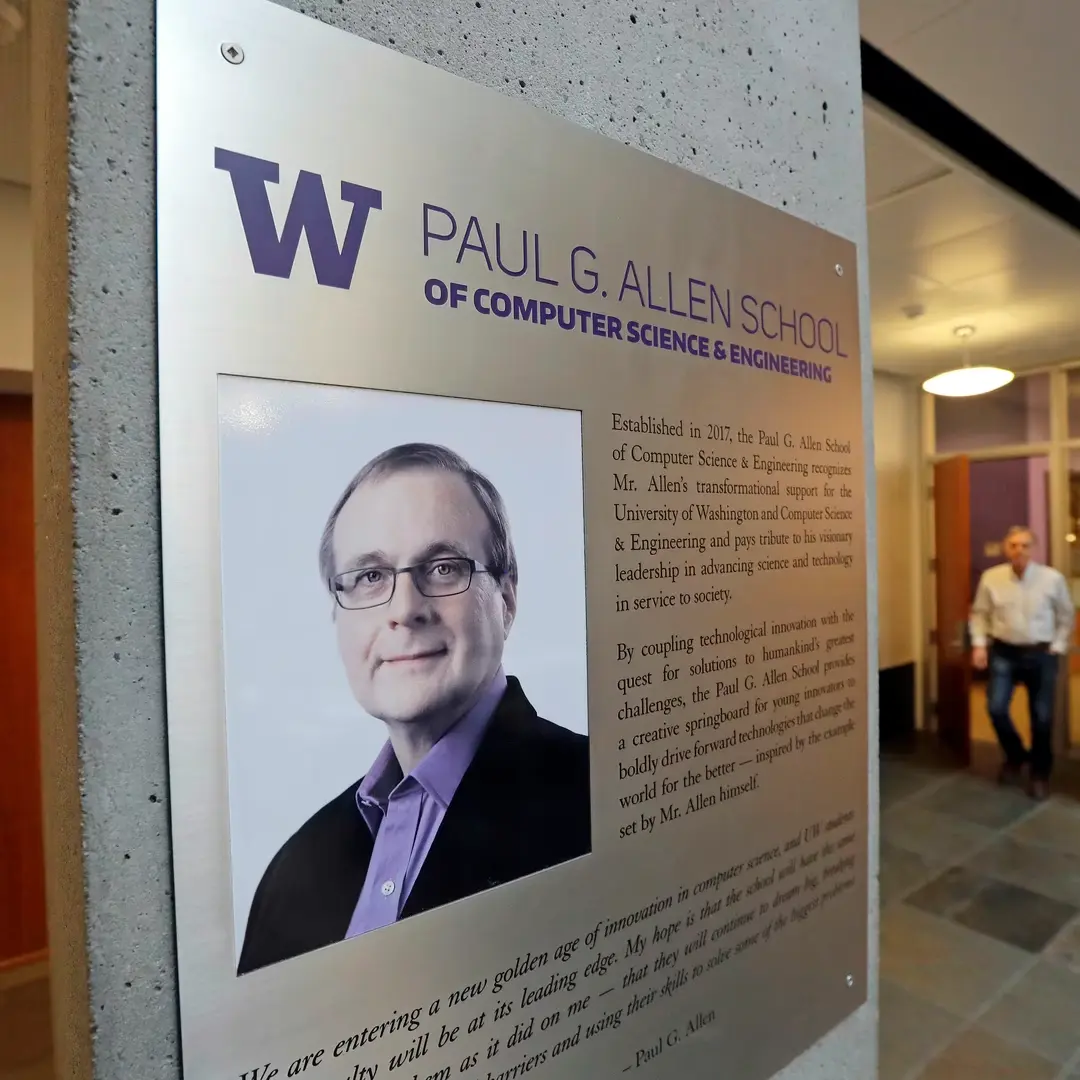
At the same time, U.S. mortality rates have been declining in recent years, which on its face would suggest fewer estates settling. Researchers point to a timing explanation: the pipeline between a donor's decision and an organization actually receiving the gift can run for years. For instance, the estate of Microsoft co-founder Paul Allen took roughly seven years to fully clear after his 2018 death before the $3.1 billion initial foundation endowment was realized.
In other words, the bequest revenue landing in nonprofit bank accounts today reflects decisions made well before this reporting cycle.
What a $3.1 Billion Bequest Has to Do With a $50,000 Legacy Program
There is no nine-figure headline here, but the same underlying dynamic is at play: donors choosing to give from what they own, not just what they earn.
What This Looks Like Across Different Organizations
While the Great Wealth Transfer lifts total philanthropic potential, different organization types encounter distinct opportunities:
- Universities: This sector is seeing this pattern with particular clarity. Per CASE's FY2025 Voluntary Support of Education survey, realized bequests reached an all-time high of 23.7% of personal giving to higher education, with new bequest intentions up a median of 10.2% year over year. Alumni are actively adding institutions to their estate plans right now.
- Faith-Based Organizations: Research from the Presbyterian Church (U.S.A.) planned-giving program found that just 5% of Americans currently include a charitable bequest in their estate plan. However, macro-level data indicates that roughly one-third (33%) of Americans explicitly state they would consider including a charitable gift in their estate plans if they were simply asked by an organization they support.
- General Nonprofits: Social service and cultural organizations often lack single sector-wide tracking surveys. Yet, they are subject to the same underlying dynamics: aging donor bases, appreciating assets, and a persistent gap between how many people would give this way and how many organizations make it easy to do so.
The Three Gaps Between Your Organization and This Growth
Across every segment above, the same three gaps keep the wealth transfer from reaching an individual organization's bottom line:
- Donor Awareness: Most donors have simply never had bequests, QCDs, or DAF grants explained to them in a way that made the option feel real and actionable.
- Nonprofit Expertise: Many development teams do not feel confident raising the topic even when they know it matters. Only about 37% of development staff report feeling equipped to discuss planned giving concepts with a donor.
- Gift Visibility: Most legacy pledges go completely unrecorded by the organization until a family notifies them years later. An astounding 64% of legacy pledgers never actively notify the charity that they have included them in their will. This is often too late to say thank you and sometimes too late to notice if a gift has been reduced or redirected along the way.
How LotusGiving Modernizes Your Legacy Program
LotusGiving makes planned giving accessible for organizations of any size, and estate planning effortless for the people who believe in their cause. Each of our core pieces maps directly onto these gaps:
- The Planned Giving Microsite addresses the awareness issue directly. It provides a branded, plain-language explanation of bequests, QCDs, DAF grants, and stock gifts, with a clear path to act.
- Fractional Planned Giving, backed by the Open Ecosystem network of vetted consultants and estate professionals, addresses the expertise gap for teams that do not yet have in-house confidence or bandwidth to run this program alone.
- The Partner Dashboard closes the visibility gap. On tech-enabled platforms, 67% of donors opt in to share their contact information and specific gift details with the nonprofit beneficiaries. The dashboard surfaces every will started and every donor who has included your cause in real time.
- The Guided Will Builder turns that awareness into a completed gift. It allows donors to create a legally sound will in 15 minutes, at no cost to them, removing the friction that keeps most people from finishing a will in the first place.
This Is a Decades-Long Trend, Not a Countdown
Frequently Asked Questions
Sources
Ready to turn today's donors into tomorrow's legacy?
Make it easier, simpler, and accessible for your supporters to add your mission to their final plans.
Start for Free Book a demoGet the latest legacy giving data
Quarterly bequest benchmarks and wealth-transfer trends for your team.
Recommended guides & articles
 Giving Trends & Data
Here's Why Bequests Are the Fastest-Growing Source of Giving
6 min read Giving Trends & Data
How Charitable Deductions Changed in 2026 (+ What it Means)
7 min read For Nonprofits
How Non-Binding Bequest Intention Forms Record Legacy Pledges
9 min read For Nonprofits
9 Must-Have Elements for a Standout Planned Giving Web Page
8 min read